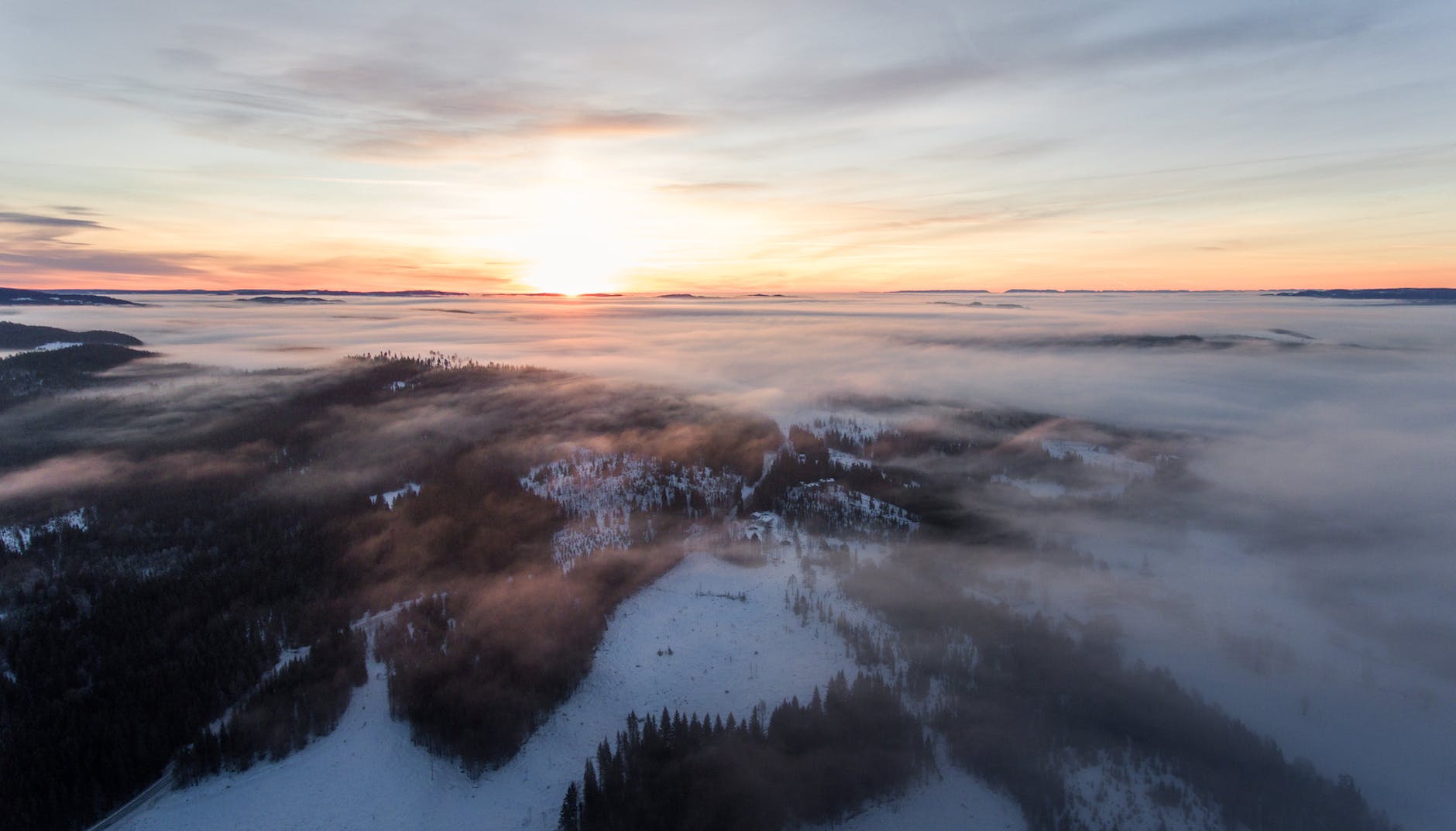
Navigating Waters: Precision Future Climate Projection for Flood & Drought Resilience
Welcome to a nexus of innovation and expertise, where cutting-edge climate model simulations meet real-world challenges. I specialize in fine-scale regional climate modeling, providing essential insights for managing the extremes of floods and droughts. Join me in exploring how accurate climate predictions can safeguard our future against these elemental forces.

About me
I am a dedicated water and climate scientist whose journey began with a PhD from the Water Research Centre at the University of New South Wales (UNSW) in Australia. I am now an integral part of the ARC Centre of Excellence for Climate Extremes at UNSW Climate Change Research Centre. My work revolves around understanding and predicting extreme weather events, like heavy rainfall or severe droughts, at a local level. My key project, “Comprehensive Bias Correction of Regional Climate Model Boundary Conditions for Simulation of Hydrologic Extremes,” aimed to improve the accuracy of climate predictions in specific areas.
My vision
The increase in the world’s average temperature affects not just our environment — like rising sea levels and more extreme rain or droughts — but also touches every aspect of our lives, from the water we drink and the energy we use, to our farms and food supply. It’s important to study these changes to learn how to deal with them effectively. Part of my work focuses on understanding how this rise in temperature, caused by climate change, is making storms more severe. The insights from this research will help in planning and building infrastructure like roads, bridges, and buildings that can withstand these changes in our climate.

Climate change
As the challenge of climate change grows increasingly urgent, countries around the world are stepping up their efforts to adapt. This is especially important for developing countries, which are often more affected by climate change compared to wealthier nations. There’s a pressing need for more research into how we can adjust and respond to these environmental changes. My work has been focused on studying water resource managements and the impacts of climate change, aiming to find solutions that will make a difference, particularly in those areas that are most at risk.
Extremes
As the climate gets warmer, we can expect more severe storms and floods. These extreme weather events are likely to happen more often and with more intensity. It’s crucial for us to understand just how extreme these storms and floods could get. This knowledge will help us design better water management systems to predict and prevent flooding. For the past few years, my focus has been on assisting countries around the world that are facing challenges with their water systems due to these changes.
Climate model
As extreme weather events become more frequent and intense, it’s necessary to simulate them accurately to minimize the damage they can cause. One of the challenges in predicting these events is that our main tools for understanding global weather patterns – known as global climate models, or GCMs – aren’t detailed enough for specific regions. To address this, I use regional climate models (RCMs), which take data from GCMs to provide more localized predictions. By conducting regional climate modeling experiments, we can better understand how much extreme storms might increase. This information can help establish a framework to design infrastructure, like roads, bridges, and buildings in a warming world.
Application tool
I have created a special open-source tool using Python, designed to improve the accuracy of regional climate models (RCMs). My software corrects key data inputs for these models by using comprehensive global datasets. Its user-friendly design makes it an ideal tool for professionals conducting environmental impact studies and for researchers exploring more precise climate projection methods. In essence, my research offers new insights and practical tools to enhance the quality of climate model simulations. This aids decision-makers and researchers in the climate change field, providing them with better information for planning and adapting to our changing world.
-
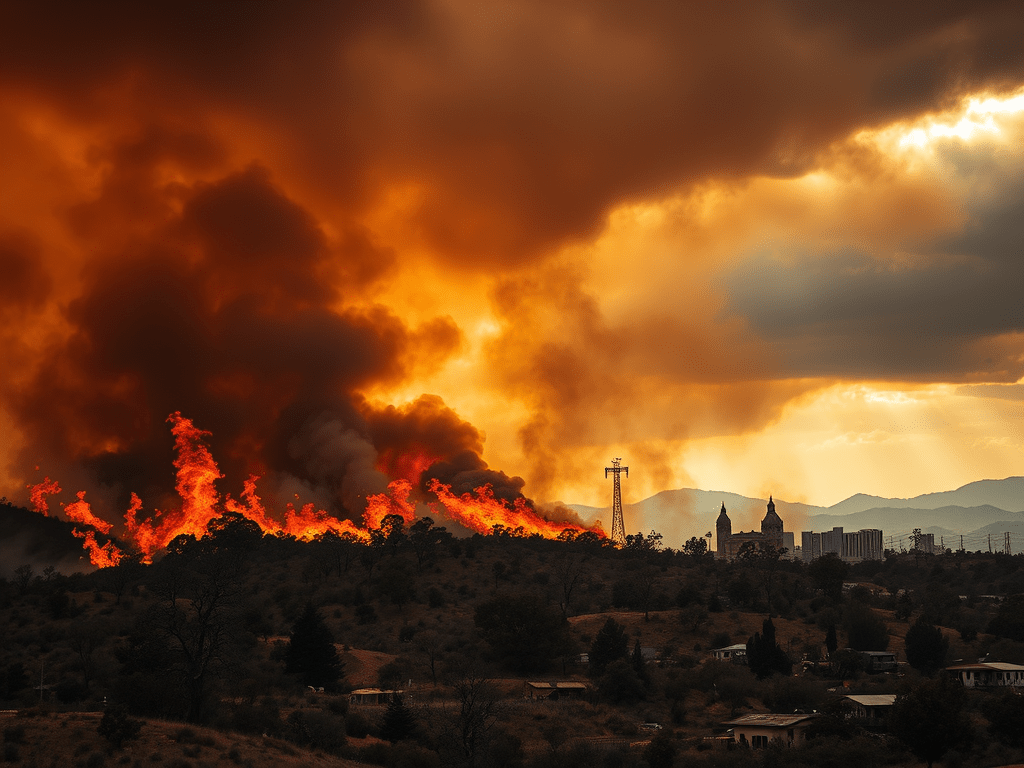
Wildfires in Victoria and LA: Climate Crisis Exposed
Recent wildfire events in Victoria, Australia, and Los Angeles, USA, have highlighted the intensifying frequency and ferocity of fires in a warming world. These incidents serve as stark reminders of the urgent need for global climate action to mitigate the cascading effects of rising temperatures on ecosystems, communities, and economies. Victoria’s Bushfires: A Nation Scorched
-
Global Climate Models: Our Window to Future Climates
Global Climate Models (GCMs) are sophisticated tools designed to simulate the Earth’s climate systems and predict future changes. These models integrate complex interactions between the atmosphere, oceans, land surface, and ice to project how variables such as greenhouse gas concentrations will influence global climates. Their predictions, crucial for climate policy and adaptation strategies, hinge on
-
Global Tipping Points: Navigating Earth’s Critical Thresholds
Our planet’s equilibrium is delicate, a balance that, once disrupted, can lead to global tipping points—critical thresholds that, when crossed, result in significant, often irreversible changes. These tipping points are not confined to environmental issues alone but span across ecosystems, economies, and societal structures. Understanding, identifying, and navigating these thresholds is crucial for sustaining life
-

Cyclone Watch: Far North Queensland Faces Another Weather Challenge
Far North Queensland, a region no stranger to extreme weather events, is once again bracing itself for cyclonic impact. Recent developments in the Coral Sea have raised concerns, and authorities are closely monitoring the situation. Let’s dive into the key details: 1. Tropical Low Could Become Cyclone Lincoln 2. Kirrily Returns with Heavy Rainfall 3.
Get in touch
youngil.kim@unsw.edu.au


 EcoSphereYoung