“The greatest threat to our planet is the belief that someone else will save it.”
Robert Swan
Climate change is transforming the systems that support society, from water resources and energy to agriculture, infrastructure, and food security. Rising temperatures are also increasing the risk of more severe storms, prolonged droughts, and compound events that can place multiple systems under pressure at the same time. My research aims to improve our understanding of these changing risks and strengthen our ability to prepare for them. I focus on advancing regional climate modelling, particularly through high-resolution simulations and bias-corrected boundary conditions that improve the representation of extreme weather at local and regional scales. My broader vision is to translate climate science into practical knowledge that supports resilient infrastructure, effective water management, and informed adaptation. By improving climate projections, this work can help communities, planners, and decision-makers design roads, bridges, buildings, and water systems that are better prepared for a changing climate.
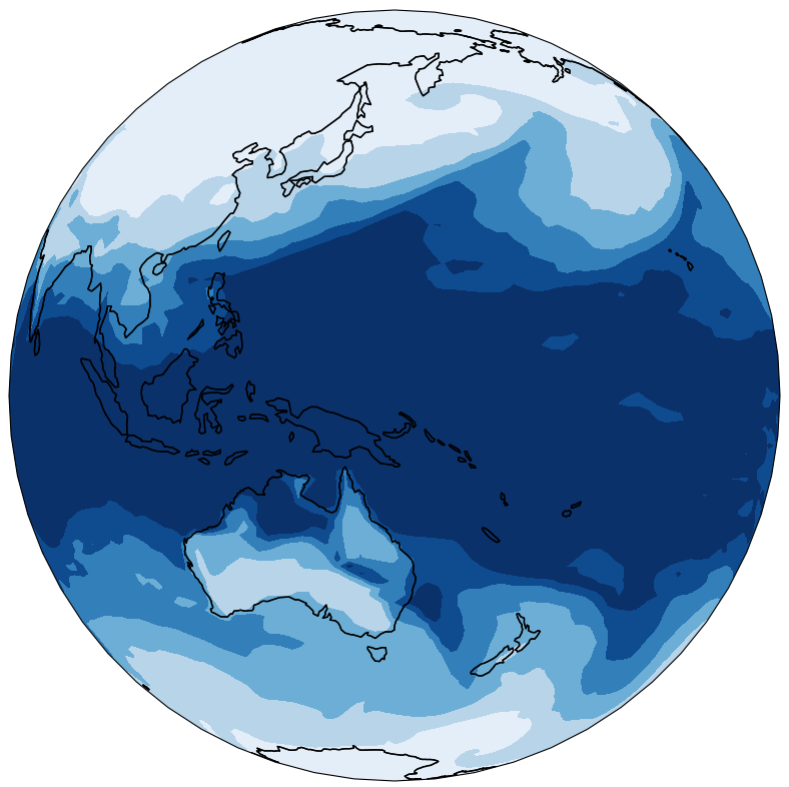
Understanding Climate Change for Global Resilience
Climate change is affecting communities around the world, but its impacts are not distributed equally. Developing and climate-vulnerable regions often face greater exposure to changing rainfall patterns, water scarcity, floods, droughts, and other extreme events, while having fewer resources available for adaptation.
My research seeks to improve our understanding of these climate risks and support more sustainable and resilient water management. By combining climate modelling, hydrological analysis, and observations, I aim to produce practical and locally relevant information that can strengthen adaptation planning and decision-making.
The broader goal is to help vulnerable communities better anticipate climate-related challenges, protect essential water resources, and build resilience in a rapidly changing environment.

Building Resilience Against Climate Extremes
Climate change is altering the frequency, intensity, duration, and distribution of extreme events, including heavy rainfall, floods, droughts, heatwaves, and compound hazards. Understanding these changes is essential for reducing risk and preparing communities for events that may exceed those experienced in the past.
My research focuses on improving the simulation and prediction of climate and hydrological extremes. By combining high-resolution climate modelling, observational analysis, and hydrological science, I aim to provide more reliable information for flood management, water resource planning, and climate risk assessment.
Through collaborative research, I seek to support resilient water systems and infrastructure that can withstand, adapt to, and recover from a growing range of climate-related hazards.
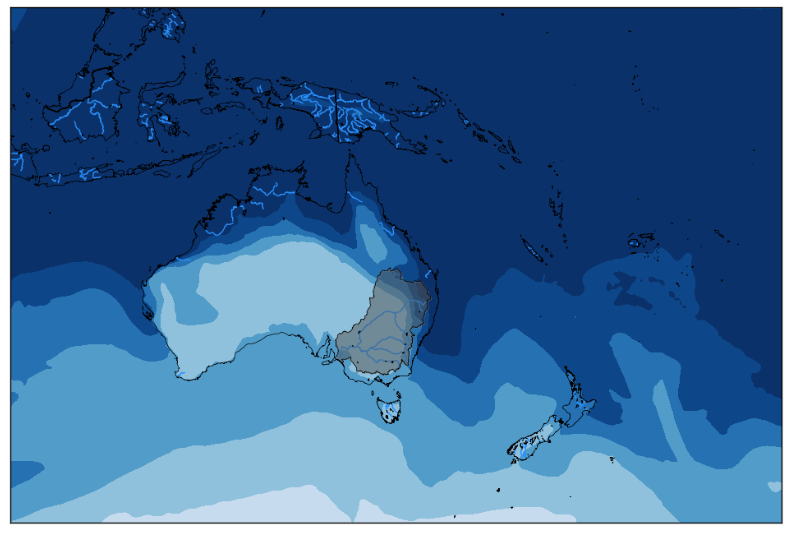
Enhancing Projections with Accurate Regional Datasets
Global climate models are essential for understanding large-scale climate change, but their coarse spatial resolution limits their ability to represent local topography, coastlines, rainfall processes, and short-duration extremes.
My research uses regional climate models to translate global climate information into more detailed and locally relevant simulations. A key part of this work involves improving the atmospheric boundary conditions used to drive regional models by correcting systematic biases while preserving physically meaningful relationships among climate variables.
These advances help produce more credible projections of extreme rainfall, storms, droughts, and other regional hazards. The resulting information can support the design of resilient roads, bridges, buildings, drainage systems, reservoirs, and water-management infrastructure in a warming climate.

Innovation Through Open-Source Applications
Scientific advances have their greatest value when they can be reproduced, tested, and applied beyond a single research project. I therefore develop open-source computational tools that make advanced climate-modelling methods more accessible to researchers and practitioners.
One of my major contributions is a Python-based framework that improves the atmospheric boundary conditions used in regional climate simulations by integrating bias-correction methods with global climate datasets. The framework is designed to support more physically consistent and reliable simulations of regional climate and hydrological extremes.
By connecting methodological development with practical application, my work helps strengthen environmental impact assessments, climate-risk analysis, and adaptation planning. My broader objective is to provide transparent and reusable tools that support better-informed decisions in a changing climate.
Project
2025
Sub-Hourly Extreme Precipitation (SHEP)
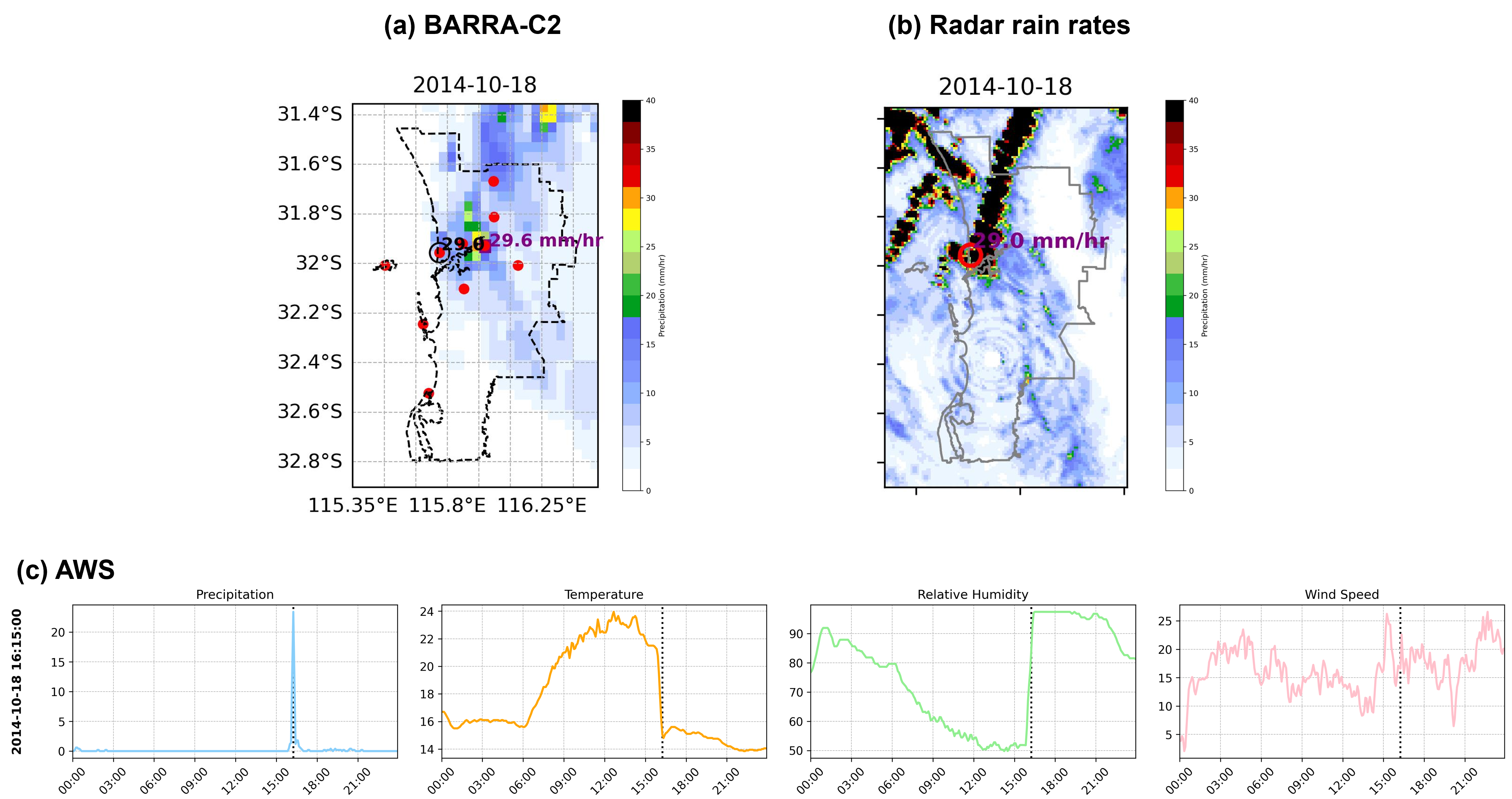
The SHEP project aims to improve understanding and projection of sub-hourly extreme precipitation in urban areas across Australia and New Zealand. It combines high-resolution observational data (AWS, radar, ERA5) with convection-permitting model (CPM) simulations to analyse historical rainfall events and assess changes under future warming scenarios. The project uses event-based and long-term approaches, including pseudo-global warming experiments and CMIP6/7 downscaling. By evaluating model skill and refining ensemble projections with AI/ML techniques, SHEP provides insights for urban flood risk management, informs stakeholder planning, and contributes to climate adaptation strategies, with applications for BoM, emergency services, and infrastructure agencies.
2023
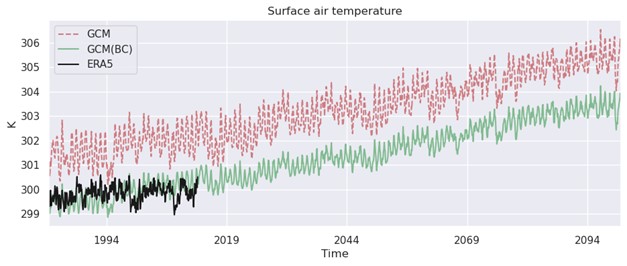
Toward accurate RCM simulations for future projections
Enhancing the prediction of extreme events and their potential changes in climate patterns, particularly events like droughts and storms, hold significant importance for water resource managers and stakeholders. These events often result from complex interactions among atmospheric variables across time and space, significantly impacting water resource management. Therefore, it’s essential to improve modeling capabilities to better understand the physical relationships between these variables and anticipate their possible future changes. This project aims to generate more precise Regional Climate Model (RCM) future simulations and develop software that streamlines the simulation processes, enhancing predictive accuracy and efficiency.
2022
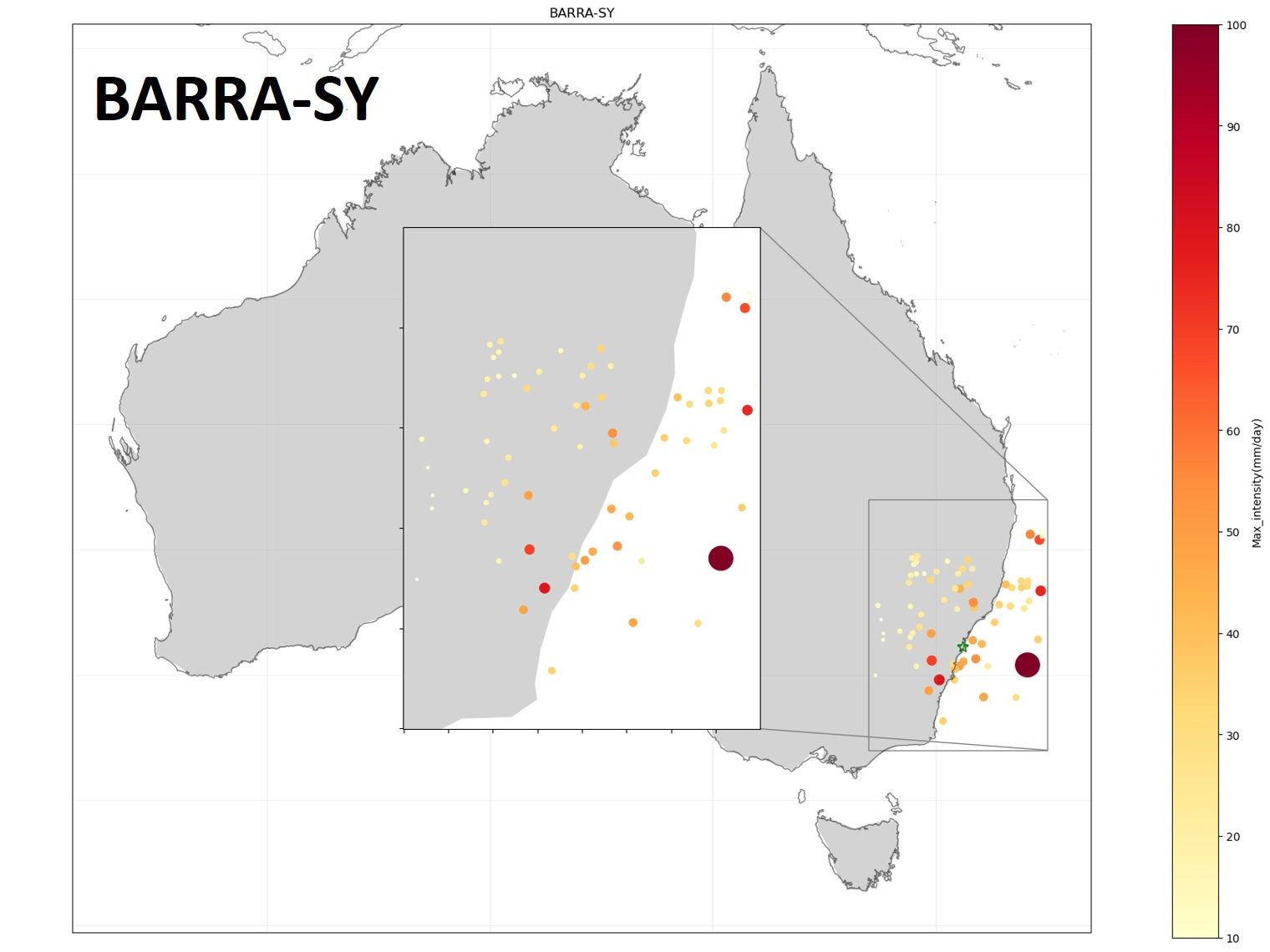
Nationwide characterised spatial-temporal behaviour of extreme
Changes in future flood events and water supply may incur social costs and mandate changes in management practices. This project aims to identify, track, and analyses individual storms to investigate the effects of changes in rainstorm frequency, duration, and size, which are all confounded in local or spatially aggregated time series.
2019
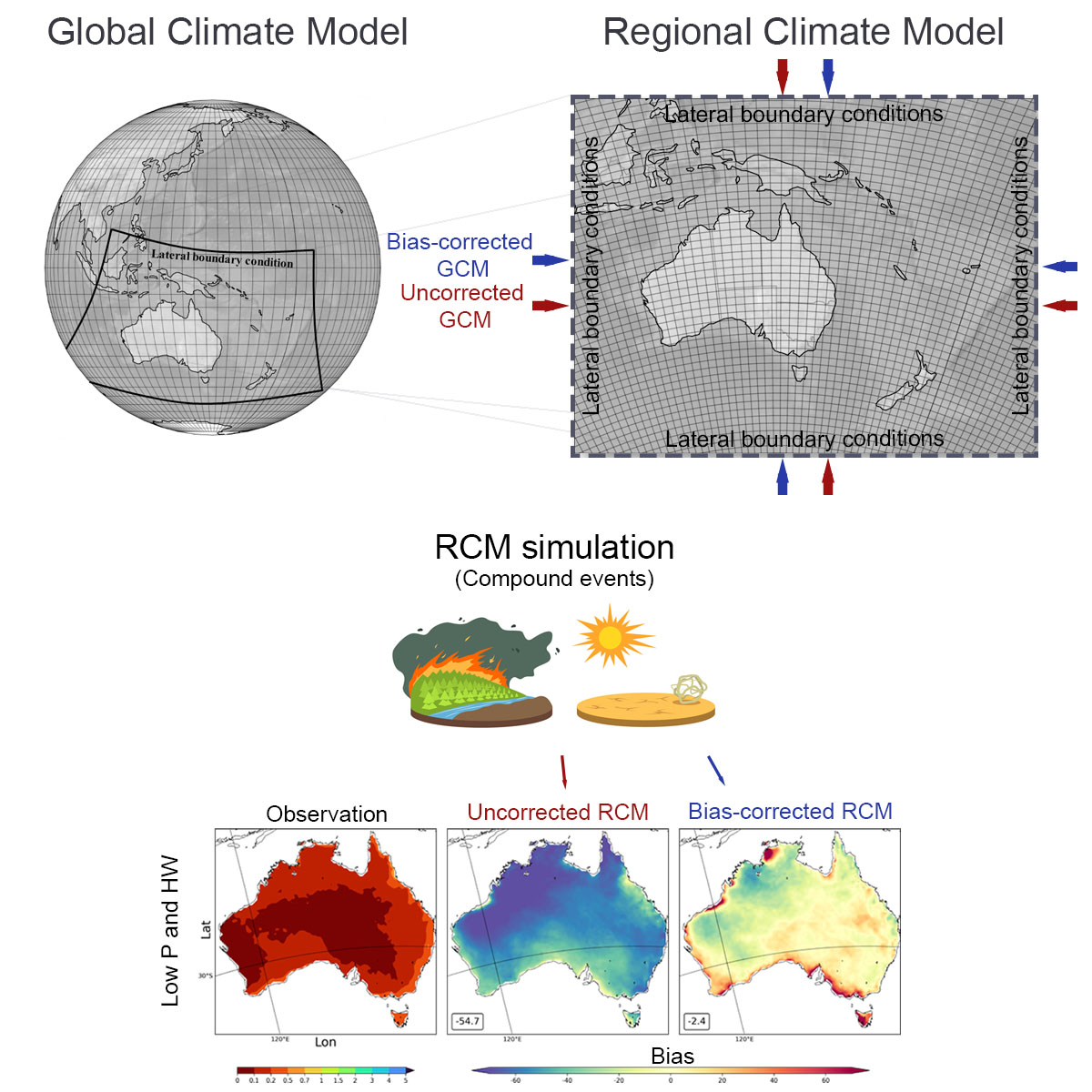
Comprehensive Bias Correction of RCM boundary conditions for simulation of hydrologic extremes
The primary focus of this project is to enhance the representation of high-impact hydrologic extremes through RCMs by utilizing carefully designed and comprehensive bias-corrected boundary conditions. To bridge the scale gap and mitigate systematic biases even in short-term periods, a sophisticated alternative for bias correction has been developed.
2018
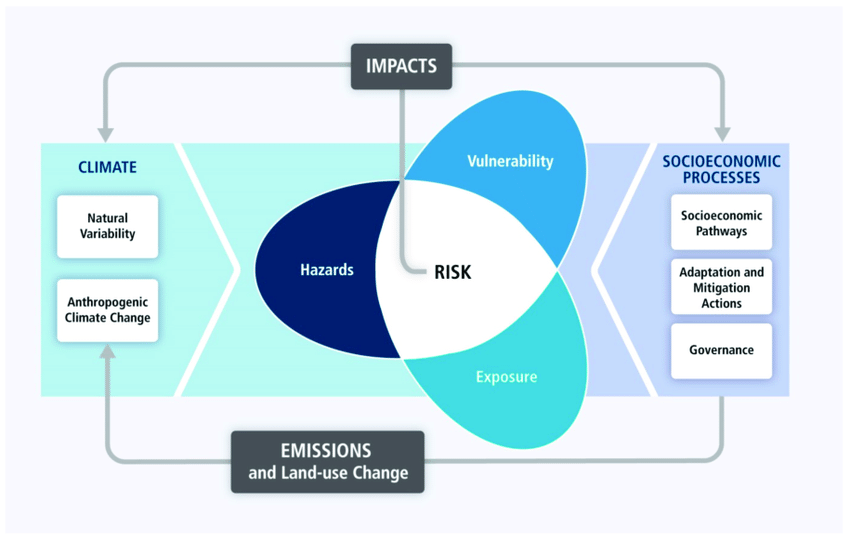
Model of Integrated Impact and Vulnerability Evaluation of Climate Change
This project aims to establish realistic and effective adaptation plans, grounded in a thorough assessment of climate change impacts and vulnerabilities across various sectors. The methodologies to define risk-focused strategies for national-level adaptation have been developed to ensure that these strategies are effectively aligned with Korea’s specific climate challenges and needs.

